Panda Giving Flowers: A Designer's Review for Embroidery
When I first pulled up the Panda Giving Flowers graphic on my screen, my immediate reaction wasn't just about cuteness; it was about potential. As a designer who spends half my life translating digital art into thread, I look at every image through the lens of stitchability. This specific illustration, categorized under Illustrations and Graphics, has a gentle, inviting mood that screams "personalized gift." However, moving from a PNG file meant for sublimation to a tangible machine embroidery design requires a critical eye. Let's break down how this adorable panda holds up when you swap pixels for needles in a real-world craft business setting.
First Impressions and Visual Personality
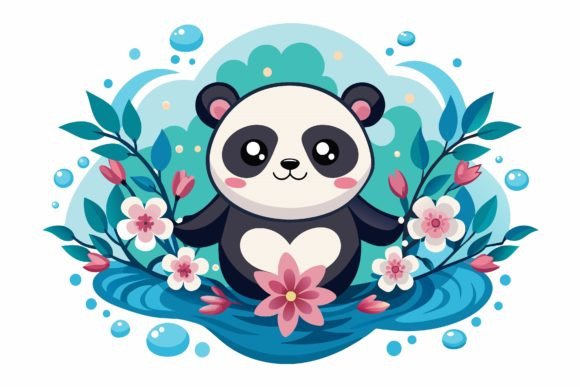
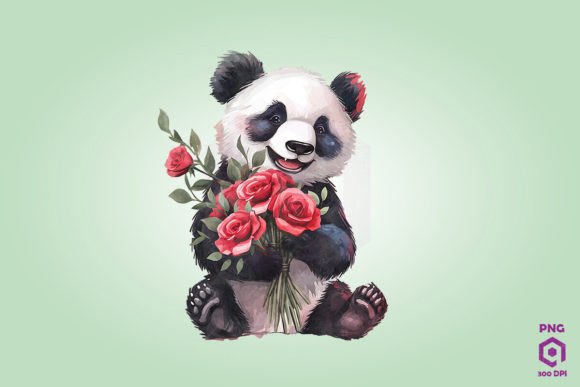
The charm of Panda Giving Flowers lies in its simplicity. The composition features a classic black-and-white panda offering a bouquet, creating an instant emotional connection. For an Etsy seller or boutique owner, this visual personality is gold. It fits perfectly into the current trend of whimsical, nature-inspired decor. The layout is generally balanced, with the flowers providing a necessary pop of color against the monochrome animal. In terms of embroidery project suitability, this design naturally leans toward items that benefit from a focal point without overwhelming the fabric. It feels right at home on a nursery wall hanging, a cozy sweatshirt, or a tote bag destined for a farmer's market run.
However, because this source material is often marketed as a clipart PNG for sublimation, we have to be careful. Sublimation handles gradients and soft edges effortlessly. Embroidery does not. When evaluating this as a potential digital embroidery file or a reference for digitizing, the lack of defined stitch paths in the original graphic means you must plan your thread colors and stitch types meticulously. The "giving" gesture of the panda needs to remain clear, or the message gets lost in a blob of thread.
Real-World Application: The Custom Tote Bag Scenario
To truly test the viability of Panda Giving Flowers, let's imagine a common scenario: a customer orders a custom embroidered tote bag for a teacher appreciation gift. You are using a sturdy canvas material. Here, the design shines. The contrast between the dark panda ears and eyes against the light canvas creates excellent definition. If you were to use a satin stitch for the flower petals and a fill stitch for the panda's body, the texture would add a premium feel that sublimation simply cannot match.
In this context, the finished product becomes more than just a bag; it becomes a keepsake. The tactile quality of the embroidery elevates the perceived value of the item. For a small shop product, this distinction is crucial. Customers are willing to pay more for handmade intricacy. The panda's friendly expression combined with the floral element makes it an ideal personalized gift that feels thoughtful rather than mass-produced. Whether it's for holiday embroidery projects or year-round custom apparel, the versatility here is high, provided the execution is clean.
Navigating Fabric Challenges and Stitch Density
While the design is charming, it isn't without its technical hurdles. One of the biggest concerns with animal designs, especially pandas, is managing the black areas. If you are working on a stretchy fabric like a thin t-shirt or a textured knit sweatshirt, a dense black fill stitch can cause puckering. The fabric might pull, distorting the cute shape of the panda into something unrecognizable. In these cases, I strongly advise testing the design on scrap fabric first. You might need to adjust the stitch density or switch to a lighter fill pattern to maintain the integrity of the garment.
Furthermore, consider the hoop size. If you are attempting to place Panda Giving Flowers on a curved surface like a cap or a small pocket, ensure the design fits within your available hoop without needing excessive re-hooping, which can lead to registration errors. Small details, like the individual petals or the panda's claws, can get lost if the design is scaled down too much. For baby embroidery on onesies, you might need to simplify the flower details to prevent scratchiness and ensure durability through multiple washes.
Enhancing Brand Value and Customer Trust
Using a well-executed version of Panda Giving Flowers can significantly boost your brand consistency. If your craft business focuses on gentle, nature-loving themes, this asset aligns perfectly. It helps build recognition; customers start associating that specific cute panda style with your shop. However, professionalism is key. A sloppy stitch job on such a recognizable character can damage customer trust quickly. Ensure your stabilizer choice matches the fabric weight. For heavy items like aprons or pillow covers, a cut-away stabilizer is often best to support the design long-term. For lighter fabrics, a tear-away might suffice, but always prioritize stability over speed.
Visual appeal is also dictated by color contrast. Since the original graphic is a Wild Animal png or clipart, you have the freedom to choose your palette. Don't stick to standard greens and pinks for the flowers if they clash with the garment. Test the design in black and white mockups first to check the tonal values. If the flowers disappear against a dark background, the whole concept fails. This level of scrutiny separates hobbyists from professional apparel decorators.
Practical Notes for the Serious Maker
Before committing to a production run of Panda Giving Flowers merchandise, there are several non-negotiable steps to take. First, verify the licensing terms. Just because an image is available as a Wild Animal bundle or clipart online does not automatically grant commercial rights for physical goods or digitized files. Always confirm you are allowed to sell finished products or use it in commercial embroidery projects.
- Check File Formats: Ensure you have access to a proper embroidery file format compatible with your machine (like PES, DST, or XXX) if you aren't digitizing it yourself from the PNG.
- Thread Selection: Use high-quality rayon or polyester threads to capture the sheen of the flowers and the depth of the panda's fur.
- Detailed Corners: Pay attention to the transition points between the panda and the flowers. These areas are prone to thread breaks if the digitizing isn't smooth.
- Wash Testing: Products that need frequent washing, like kitchen towels or baby clothes, require secure anchoring of stitches to prevent fraying.
Ultimately, Panda Giving Flowers is a versatile and heartwarming design that, when treated with technical respect, can become a staple in your portfolio. It bridges the gap between digital design assets and tangible handmade products beautifully. Whether you are creating a single embroidered patch for a friend or stocking inventory for a holiday fair, this design offers a sweet narrative that resonates with buyers. Just remember: the magic isn't just in the image itself, but in how skillfully you translate those Graphics into thread. Take your time, test your settings, and let the panda do the rest.