Flowers and Plants: A Designer's Take on Real Embroidery Use
When I first opened the folder for Flowers and Plants, my immediate reaction wasn't just about the aesthetic appeal, but about its potential life on fabric. As a designer who spends hours digitizing and stitching, I look past the pretty preview images to ask: will this actually sew out well? Will it hold up on a tote bag after a trip to the grocery store, or will it pucker on a baby onesie? This collection, categorized under Illustrations and Graphics, offers a versatile range of botanical motifs that feel organic and fresh, but translating digital files into a tangible embroidery project requires a critical eye.
First Impressions and Visual Personality
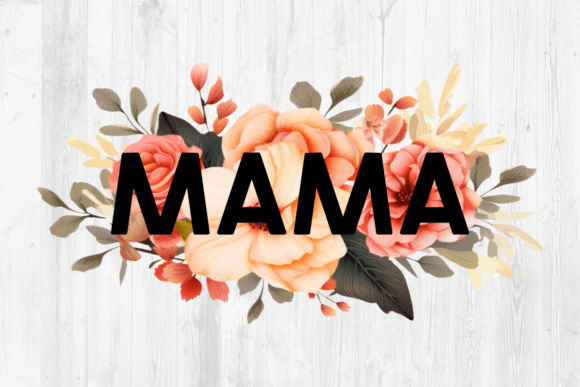
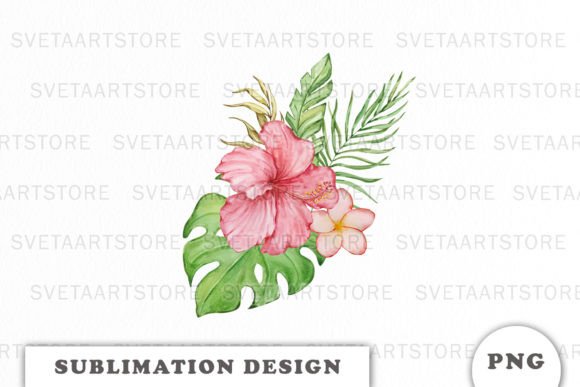
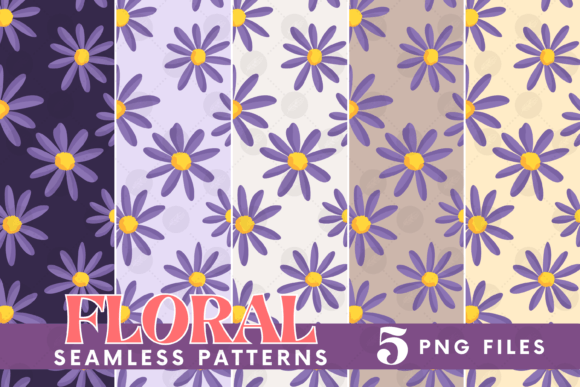
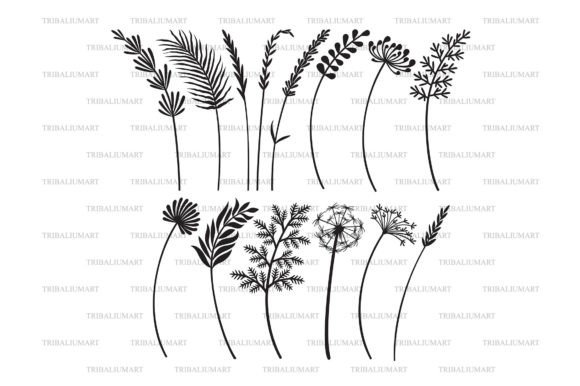
The mood of Flowers and Plants is undeniably cheerful and grounded. The shapes are distinct, avoiding overly complex tangles that often confuse embroidery machines. From a layout perspective, the designs seem to balance negative space with detailed focal points, which is crucial for maintaining clarity in a machine embroidery design. The visual personality leans towards a hand-drawn charm, making it perfect for brands that want to convey warmth and authenticity. However, because these are provided as vector and raster formats like SVG, DXF, EPS, and PNG, the responsibility falls on us, the makers, to ensure the transition from screen to stitch respects the integrity of the original art.
Real-World Application: The Boutique Tote Scenario
Let's walk through a realistic scenario. Imagine you are preparing a custom order for a local florist who needs branded tote bag designs for their shop. You select a sturdy canvas fabric and choose a lush floral motif from the Flowers and Plants set. The goal is a handmade product that looks professional enough to be sold as merchandise but retains that artisanal touch.
In this context, the design performs admirably if managed correctly. The botanical themes naturally complement natural fibers like cotton and linen. When stitched as a fill stitch with appropriate density, the petals gain a lovely texture that mimics real nature. For a small shop product, this adds perceived value. Customers aren't just buying a bag; they are buying a piece of art. If you were to use this for sweatshirt embroidery, the softer lines of the illustrations would sit comfortably on fleece without looking too rigid or industrial.
Navigating Fabric Challenges and Stitch Density
While the designs are beautiful, practical application demands caution. Not every fabric plays nice with every graphic. If you are working with stretchy fabrics, such as those used in baby embroidery or athletic wear, you must be wary of the stitch density. Dense areas in the center of the flowers can cause the fabric to pucker or distort if not properly stabilized. Always test the design on scrap fabric first. This is non-negotiable.
Textured fabrics present another hurdle. A thick waffle weave or a heavy towel might swallow up fine details, turning delicate running stitch outlines into invisible threads. In these cases, consider simplifying the design or opting for an applique design approach where the fabric itself provides the color and texture, and the embroidery acts as a border. Similarly, curved surfaces like caps require careful hooping. A large, sprawling floral arrangement might not fit the curvature of a cap without significant distortion, so check your hoop size constraints before committing.
Color Contrast and Thread Selection
The success of Flowers and Plants often hinges on your choice of thread colors. Since these are digital assets, they come in standard colors, but embroidery lives in the world of thread charts. A design that pops on a white background in a JPEG preview might vanish on a navy blue sweatshirt if the contrast isn't adjusted. I recommend testing your chosen motif in black and white mockups first to evaluate the tonal range. If the light and dark values are too similar, the design will look muddy once stitched. For dark fabrics, you may need to add a layer of underlay or choose a lighter backing stabilizer to prevent the garment color from showing through the stitches.
Commercial Viability and Brand Consistency
For Etsy sellers and creative entrepreneurs, consistency is key to building trust. Using a cohesive set like Flowers and Plants across different items—say, a matching set of kitchen towels, a pillow cover, and an apron—creates a strong brand identity. These design assets allow for a unified look that signals professionalism to buyers. Whether you are creating holiday embroidery gifts or wedding favors, the quality of the finished stitch directly impacts customer satisfaction. A clean, well-executed floral design suggests care and attention to detail, fostering buyer engagement and repeat business.
However, remember that these are digital embroidery file sources, not pre-digitized stitch files in all cases. The package includes SVG, DXF, and EPS, which are fantastic for resizing and editing in your digitizing software, but they are not ready-to-stitch files for every machine unless specified. You must verify if you need to digitize them yourself or if they include specific stitch formats for your hardware. Never assume compatibility; always check the file types against your machine's requirements.
Final Thoughts on Usage and Licensing
Before launching your latest custom apparel line or listing a new embroidered patch on your shop, review the licensing terms carefully. Just because you can download it instantly doesn't always mean you can sell the digital file itself. Usually, these licenses allow for the sale of the finished product, but restrictions on redistributing the raw files are common. Confirm this to protect your craft business from legal issues.
Ultimately, Flowers and Plants offers a solid foundation for a variety of projects, from nursery decor to boutique branding. Its strength lies in its adaptability, provided the user respects the limitations of the medium. By paying attention to stabilizer choices, thread contrast, and fabric suitability, you can transform these graphics into stunning, durable pieces that customers will cherish. Treat the digital file as a blueprint, and let your expertise as a maker bring it to life.